
DPDPA COMPLIANCE
Protect Personal Data. Strengthen Privacy. Build Trust.
Prepare your organization for India’s Digital Personal Data Protection framework with structured privacy assessments, data governance, security controls and compliance support.
Build a Stronger Personal Data Protection Framework
Organizations collect and process personal data across websites, applications, cloud platforms, customer systems, employee processes and third-party services.
The Digital Personal Data Protection Act, 2023 establishes a framework for processing digital personal data while recognizing individuals’ rights and the need for lawful processing. The Digital Personal Data Protection Rules, 2025 provide additional implementation requirements.
Our DPDPA consulting services help organizations understand their obligations, assess existing privacy and security practices, identify gaps and establish a practical roadmap for compliance.
What We Do
We assess how your organization collects, processes, stores, shares and protects digital personal data.
Our approach covers data discovery, processing assessments, consent and notice mechanisms, data-subject rights processes, security safeguards, retention practices, vendor management, incident readiness and compliance documentation.
We help connect privacy requirements with the technical and operational controls needed to support responsible data processing.
How It Helps Your Business
A structured DPDPA program helps organizations understand where personal data is processed and how privacy responsibilities are managed across business operations.
It can improve transparency, strengthen data governance, establish clearer accountability and help organizations prepare for applicable obligations under the DPDP framework.
How Our DPDPA Compliance Journey Works
Discover. Assess. Govern. Protect. Validate. Improve.
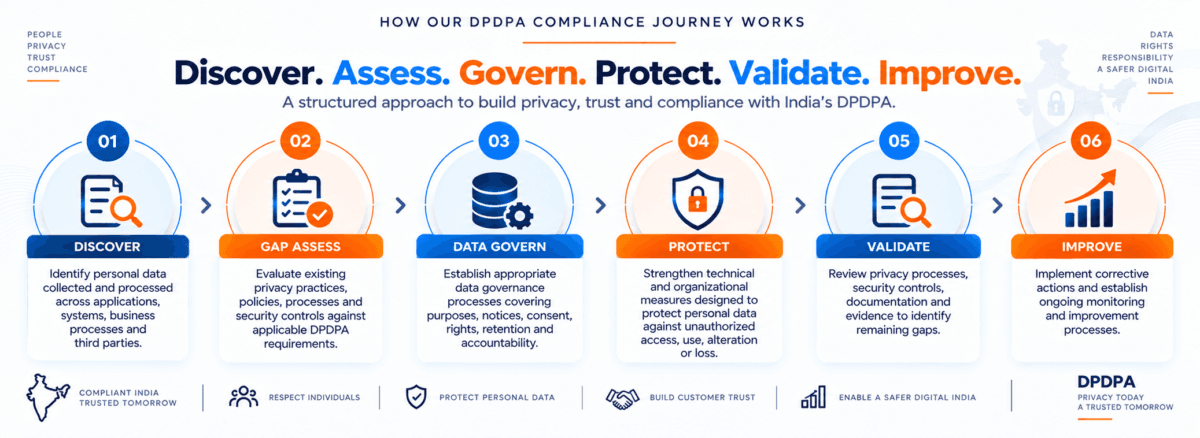
DPDPA COMPLIANCE SCOPE
DPDPA compliance involves more than a privacy policy. Organizations need to understand how personal data flows through their people, processes, applications, infrastructure and third parties.
Personal Data Discovery
Identify what personal data is collected, where it resides, why it is processed and which systems or teams have access to it.
Privacy Notice & Transparency
Review notices and communication mechanisms to ensure individuals receive clear information about applicable processing.
The 2025 Rules specify that notices should be standalone, understandable and include an itemized description of personal data and the specified purposes of processing.
Consent Management
Assess mechanisms used to obtain, manage and withdraw consent where consent is the applicable basis for processing.
Data Principal Rights
Establish processes for handling applicable requests and exercising rights under the DPDP framework.
Data Retention & Erasure
Review retention practices and processes for deleting or removing personal data when applicable requirements are triggered.
Security Safeguards
Assess technical and organizational measures protecting personal data against unauthorized access, disclosure, alteration or other security risks.
Third-Party & Vendor Management
Review how personal data is shared with processors, vendors and other external parties and how related responsibilities are managed.
Incident & Breach Readiness
Assess processes for identifying, responding to and managing personal data breaches and applicable notification obligations.
Privacy Is More Than a Policy
Personal data can move through multiple systems, teams, applications and third-party providers. Without appropriate governance, organizations can lose visibility into how information is collected, used, shared and retained.
A structured DPDPA program helps organizations establish clearer accountability around personal data processing and integrate privacy into everyday business operations.
- Improve visibility into personal data
- Strengthen privacy governance
- Establish clearer accountability
- Improve transparency with data principals
- Strengthen security safeguards
- Improve third-party data governance
- Prepare for applicable regulatory obligations
- Establish continual privacy improvement
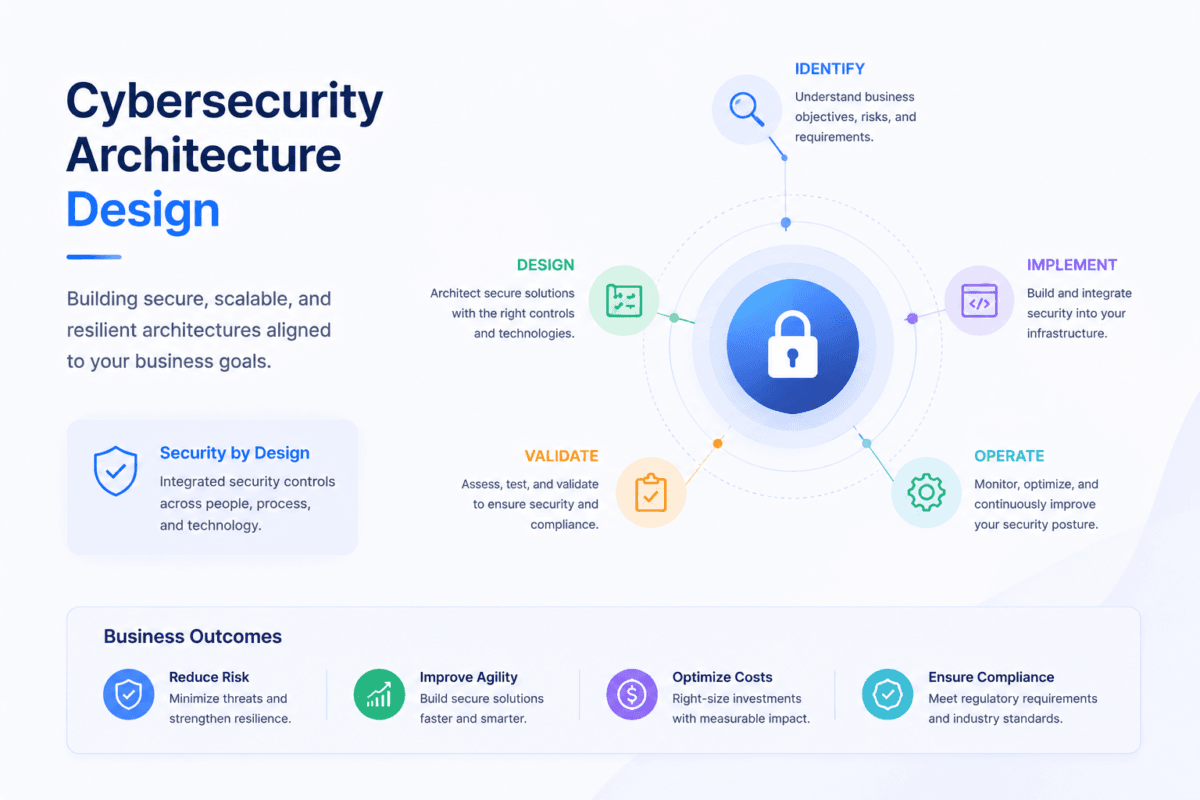
TESTIMONIAL
The DPDPA assessment helped us understand how personal data moves across our business and where our privacy and security processes needed improvement. The roadmap gave our teams a practical way to address the identified gaps.
PERSONAL DATA SECURITY RISKS
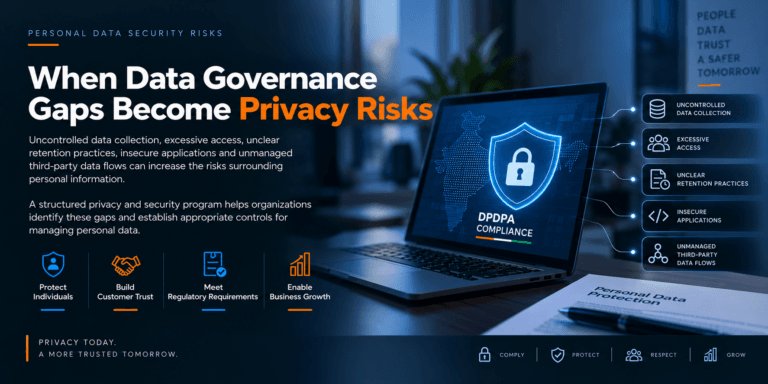
When Data Governance Gaps Become Privacy Risks
FREQUENTLY ASKED QUESTIONS
What is DPDPA?
The Digital Personal Data Protection Act, 2023 is India’s framework governing the processing of digital personal data while recognizing individuals’ rights and the need for lawful processing.
What are the DPDP Rules?
The Digital Personal Data Protection Rules, 2025 provide detailed implementation requirements under the DPDP Act. They were notified by MeitY on 13 November 2025.
Who does DPDPA apply to?
The Act establishes obligations concerning processing of digital personal data within its scope, including certain processing outside India in connection with offering goods or services to Data Principals in India. The precise applicability should be assessed based on the organization’s activities and circumstances.
What is a Data Principal?
The Act uses the term Data Principal for the individual to whom the personal data relates.
What is a Data Fiduciary?
A Data Fiduciary is the entity that determines the purpose and means of processing personal data under the Act.
Do you provide DPDPA Gap Assessments?
Yes. We can assess existing privacy governance, data-processing practices and security controls against applicable requirements and provide a remediation roadmap.
Do you help with privacy policies and notices?
Yes. We can support the review and improvement of privacy documentation and notices in alignment with applicable requirements.
Can you help map personal data?
Yes. A personal data discovery and data-flow assessment can help identify what personal data is processed, where it resides, why it is processed and how it moves between systems and third parties.
Does DPDPA compliance require cybersecurity testing?
Privacy governance and security controls are distinct but interconnected. Technical assessments such as vulnerability assessment, application security testing and cloud security assessment can help evaluate safeguards protecting personal data.
Are all DPDPA provisions currently applicable?
The implementation is phased. The Government’s 13 November 2025 notifications specify different commencement dates for different provisions of the Act and Rules. Organizations should therefore assess obligations against the applicable implementation timeline rather than treating all provisions as immediately effective.
RELATED SERVICES

Cloud Security Assessment
Identify and address security risks affecting cloud infrastructure, configurations and workloads.
SOC 2 Compliance
Strengthen security and operational controls and prepare for SOC 2 assessment.

ISO 27001
Establish a structured Information Security Management System for managing information security risks.