Blogs
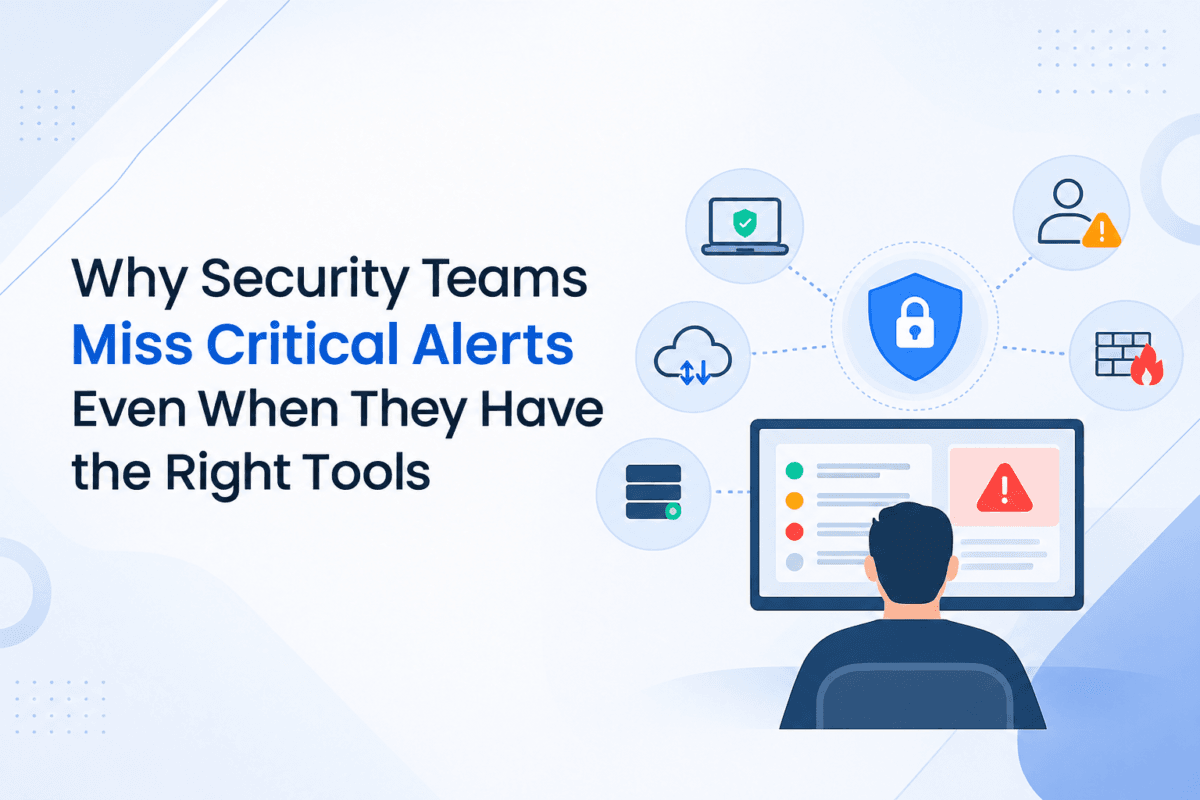
Why Security Teams Miss Critical Alerts Even When They Have the Right Tools Modern organizations can have endpoint protection, cloud security platforms, identity controls, firewalls, SIEM systems and multiple threat detection tools operating at the same time. Yet having more security tools does not automatically mean that every important security event will be detected and investigated. The challenge often begins when thousands of alerts are generated across different environments, while the security team has to determine which events represent a genuine threat. A suspicious login may appear harmless on its own. An unusual PowerShell execution may look like another endpoint event. A new administrator account may not immediately appear dangerous. But when these events are connected, they can reveal a much larger attack pattern. This is where SOC monitoring services become important—not simply for collecting alerts, but for continuously identifying, correlating and investigating signals that could indicate an active security incident. The Real Problem Is Not Always […]
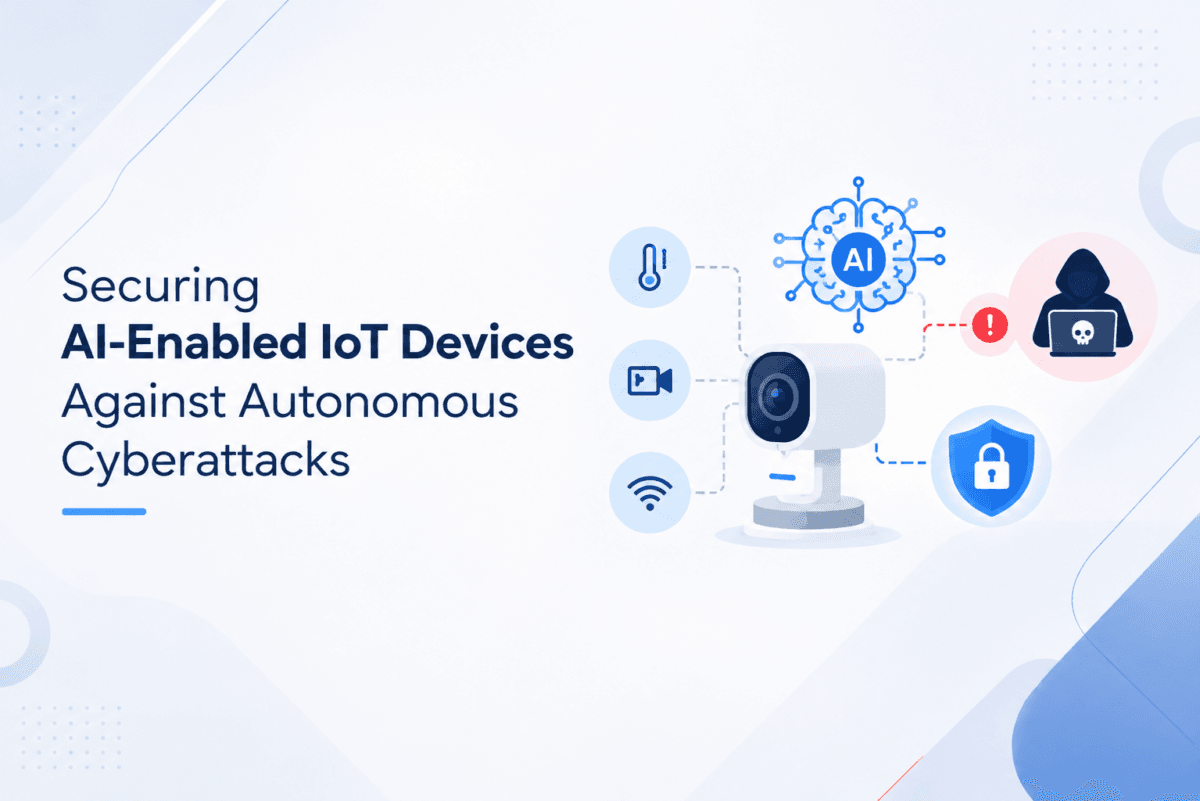
Securing AI-Enabled IoT Devices Against Autonomous Cyberattacks Smart devices are getting smarter. A basic IoT sensor used to just collect […]
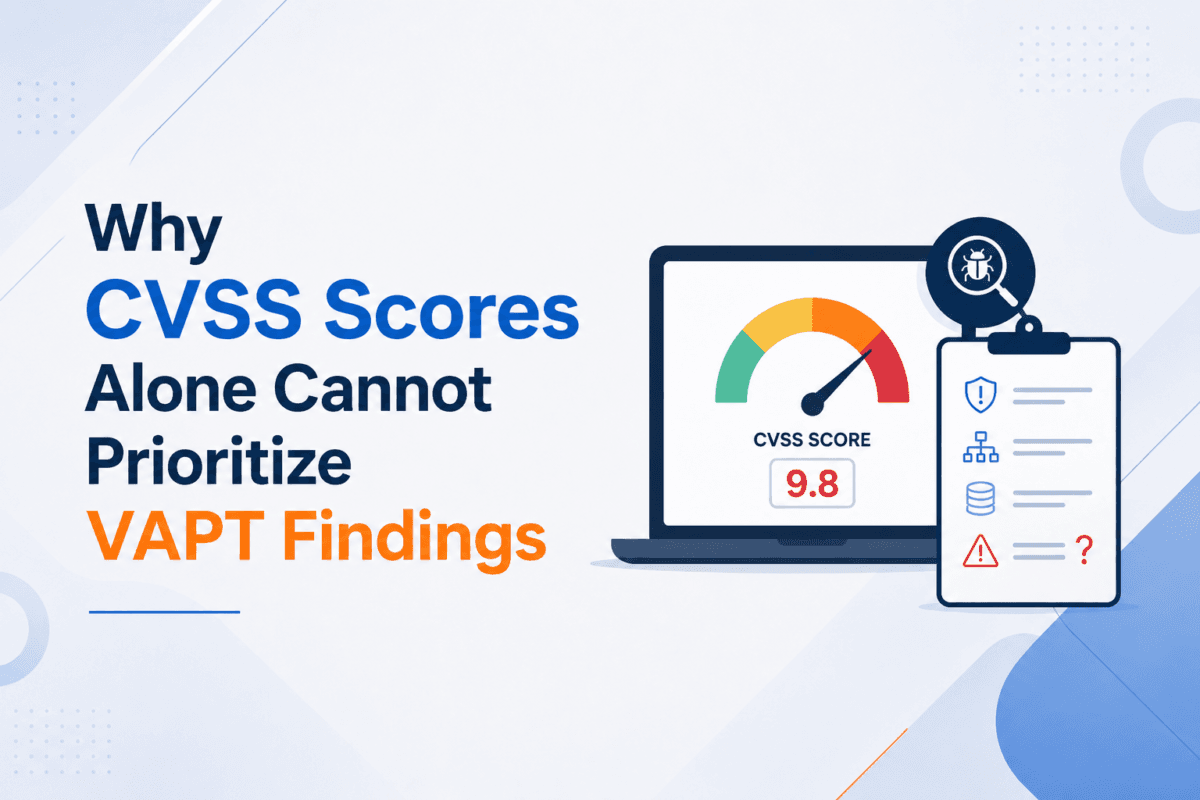
Why CVSS Scores Alone Cannot Prioritize VAPT Findings A VAPT assessment can produce dozens of vulnerabilities, each with a different […]
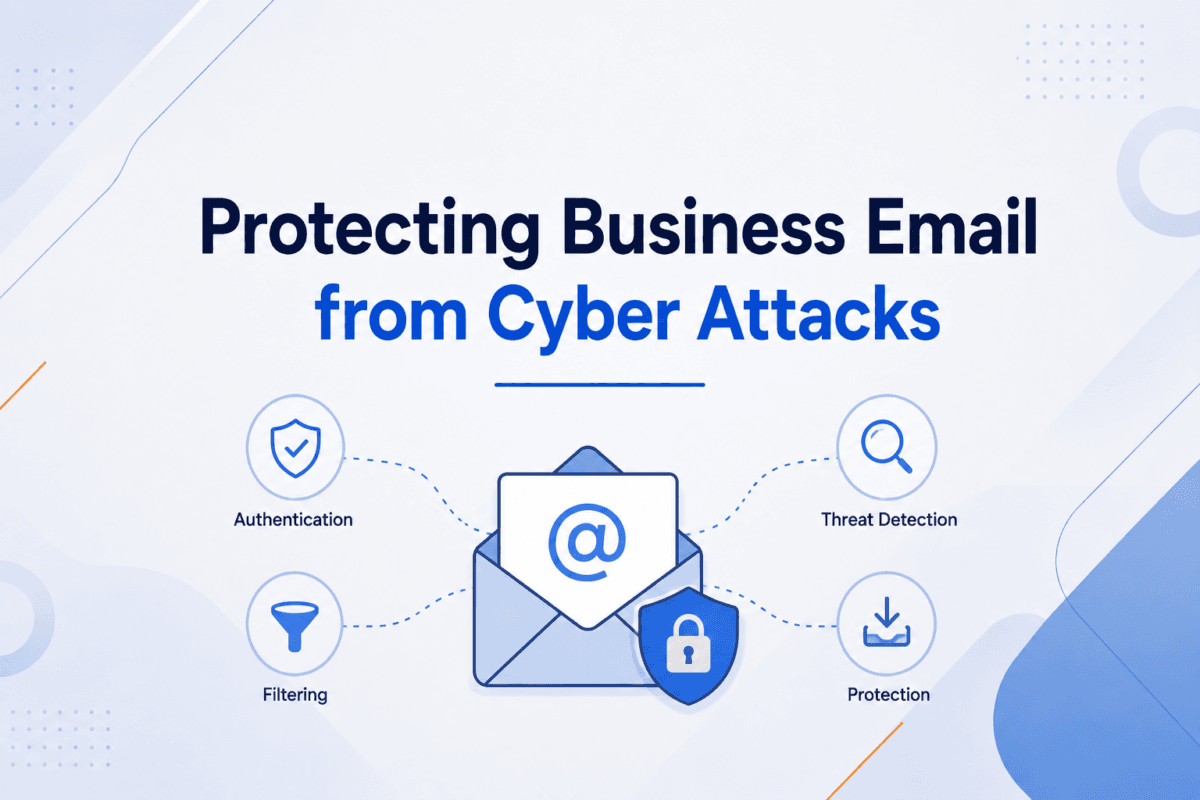
Protecting Business Email from Cyber Attacks A stolen email password can be the starting point for a much larger security […]
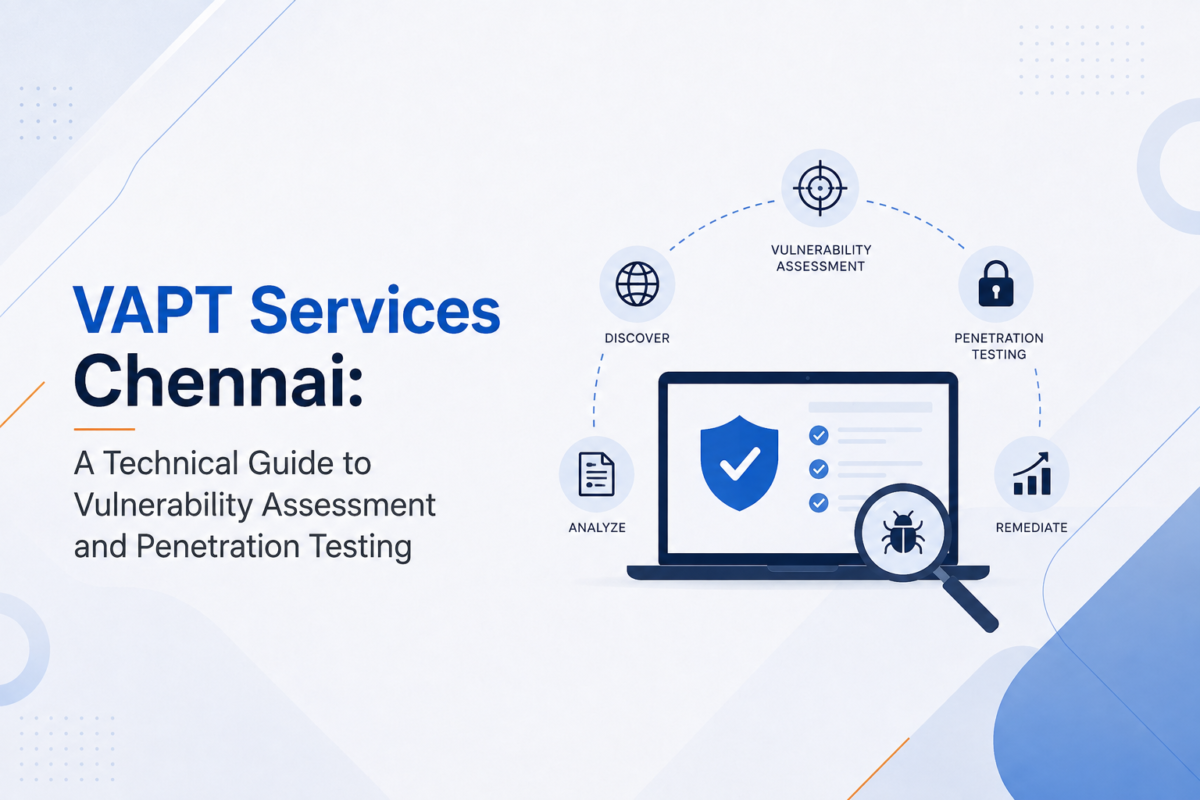
VAPT Services Chennai: A Technical Guide to Vulnerability Assessment and Penetration Testing A security vulnerability does not automatically mean an […]
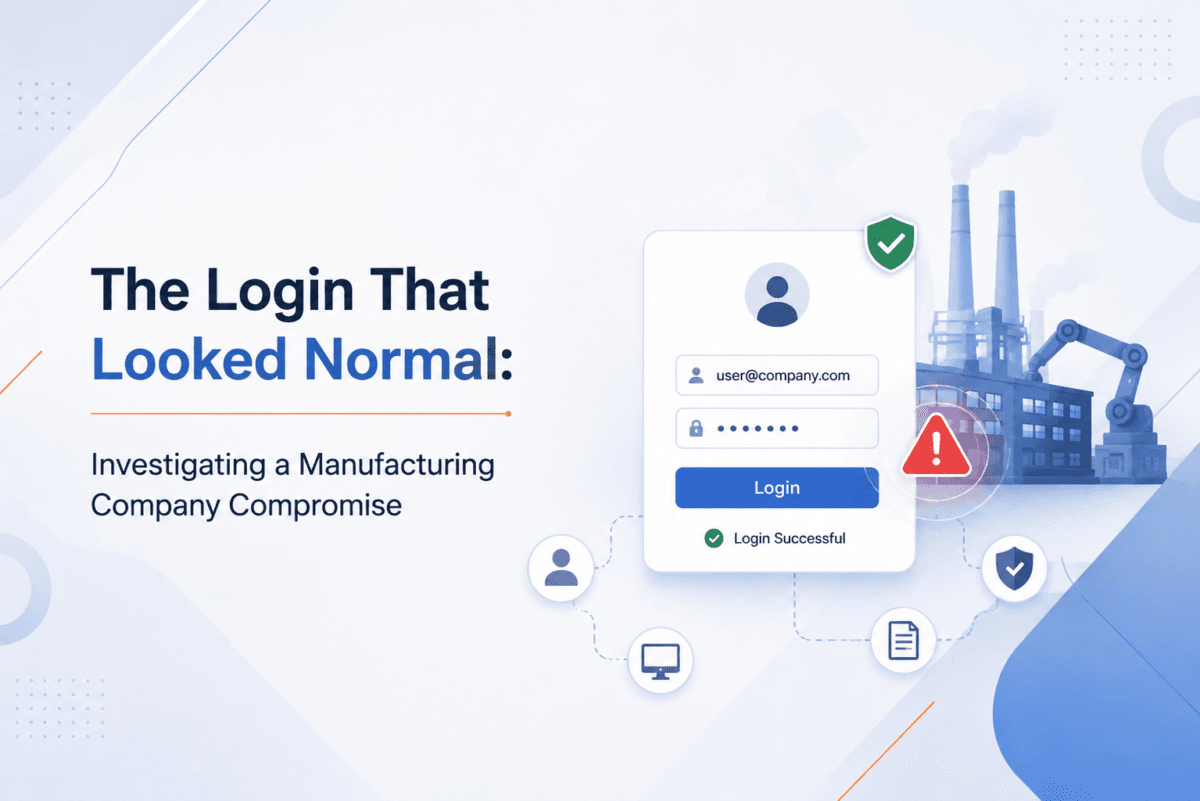
The Login That Looked Normal: Investigating a Manufacturing Company Compromise Start with the incident in a few paragraphs, not a list of events. At 10:03 AM, an employee received what appeared to be a routine business email. Nothing immediately suggested that the message would lead to a security incident. Four minutes later, Microsoft 365 recorded a successful login from an unusual location. By 10:11 AM, a new inbox rule had been created. Seven minutes later, 47 emails had been forwarded to an external address. The obvious question was: how did a single email turn into a Microsoft 365 account compromise in just 15 minutes? The answer was hidden in the four minutes between the email arriving and the suspicious login. Then continue like a normal article. 1. The Attack Started With an Ordinary Email Describe the phishing email naturally. Explain: •What the email appeared to be •Why it looked legitimate •What the link did •Why the employee interacted with it Then introduce the first technical clue. […]
The Login That Looked Normal: Investigating a Manufacturing Company Compromise Incident Type: Suspected Endpoint Compromise Environment: Windows enterprise network Industry: […]
Why Identity Threat Protection Starts with Detecting Phishing URLs Introduction Identity is now the primary target for cybercriminals. Rather than […]
Why Human-Focused Cyberattacks Are Outpacing Traditional Security Defenses Introduction For years, organizations invested heavily in securing endpoints, firewalls, email gateways, […]
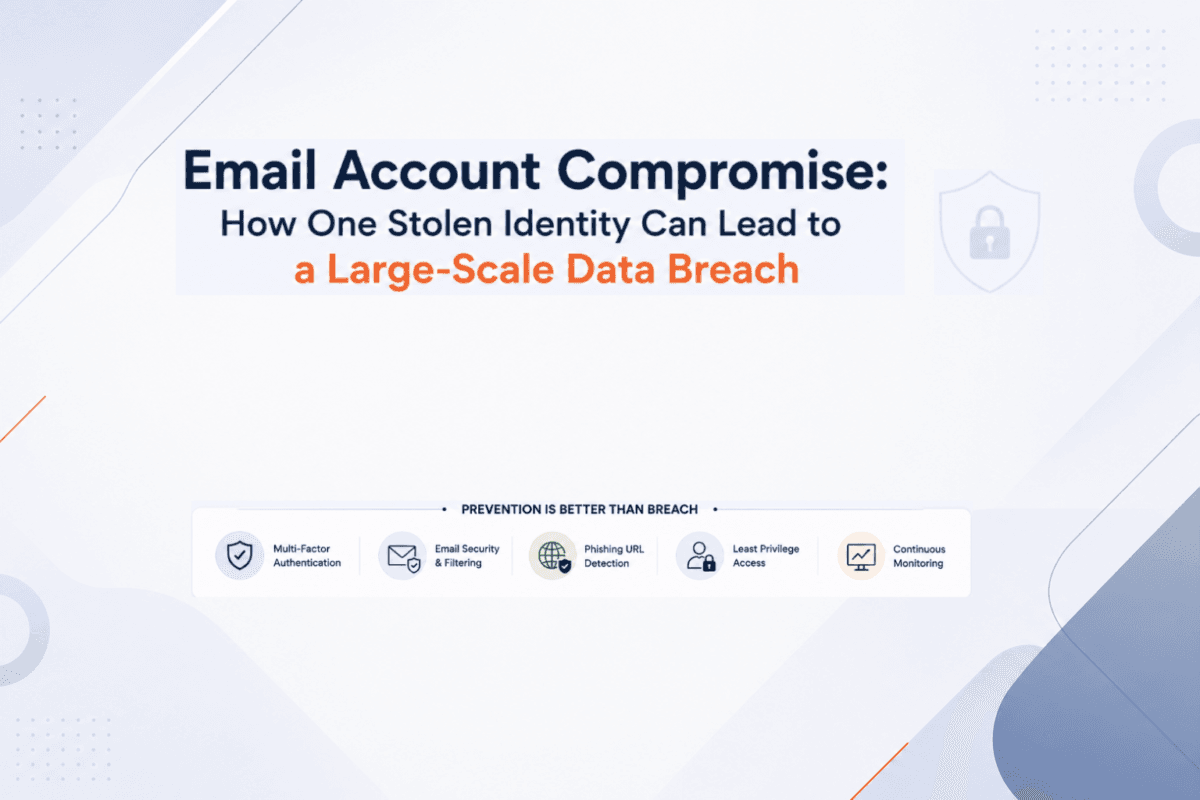
Email Account Compromise: How One Stolen Identity Can Lead to a Large-Scale Data Breach Introduction Most organizations invest heavily in […]